Next week, thousands of architects, designers, and sustainability leaders will gather in San Diego for the AIA Conference on Architecture & Design 2026. If you’ve been before, you know the energy—it’s an event where you can feel where the profession is heading. And if the last few years are any indication, one theme isn’t going anywhere: materials matter.
The products architects specify have become one of the most direct levers a firm can pull to shape project outcomes. It’s a big shift, and it’s a big part of what we think about every day at Green Badger.
We work with architecture and construction teams on materials tracking and sustainability documentation, and we spend a lot of time with firms navigating this space. One thing we often hear is that the AIA Materials Pledge resonates, but putting it into practice is harder than it looks.
The pledge asks firms to go beyond aesthetics, performance, and budget when selecting materials, and to weigh five interconnected priorities:
- Human Health
- Social Health & Equity
- Ecosystem Health
- Climate Health
- Circular Economy
More than 120 firms are now actively reporting progress through the program, across hundreds of projects and millions of square feet.
Of course, signing is the easy part. How do you consistently evaluate products against five different sustainability priorities without it becoming a burden on your team? How do you track decisions across dozens of projects at once? How do you gather the documentation needed for reporting without turning it into another sprawling spreadsheet? Where do you find EPDs, HPDs, VOC data, and recycled content certifications for every project, every time?
These are the questions that Green Badger can help with. Our platform helps teams move away from manual, project-by-project tracking with a searchable database of more than 100,000 verified products and sustainability documents, organized around the kinds of decisions the Materials Pledge asks you to make.
Trying to address climate health? You can filter for products with EPDs and embodied carbon data. Focused on human health? HPDs and ingredient disclosures are easier to surface and compare. Working toward circular economy goals? You can find products with recycled content, take-back programs, and reuse strategies.
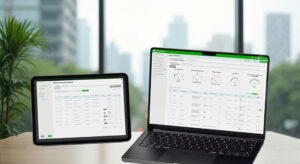
Our platform dashboard lets you track your pledge progress across all active projects in real-time. Users can export structured materials data for compliance and documentation, and the mobile field app enables teams to log materials, conduct IAQ inspections, and verify product compliance directly from the job site. Learn more.
The conversations at AIA26 next week will keep pushing toward healthier, lower-carbon, more transparent buildings.